Gamle Munch Kunsthal, Oslo, Norway
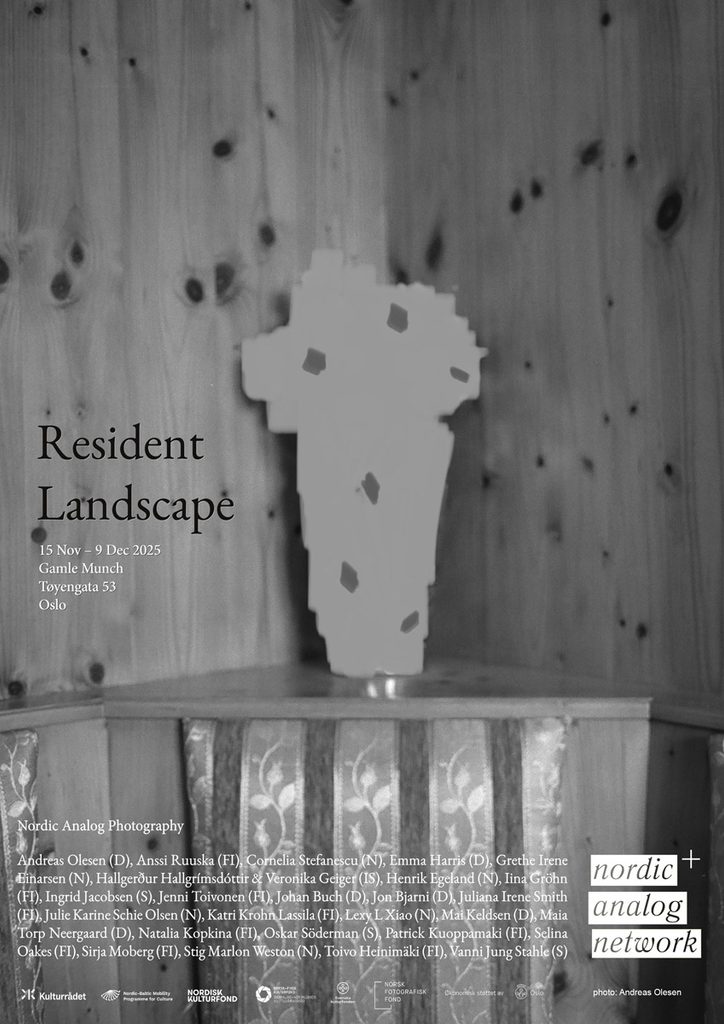
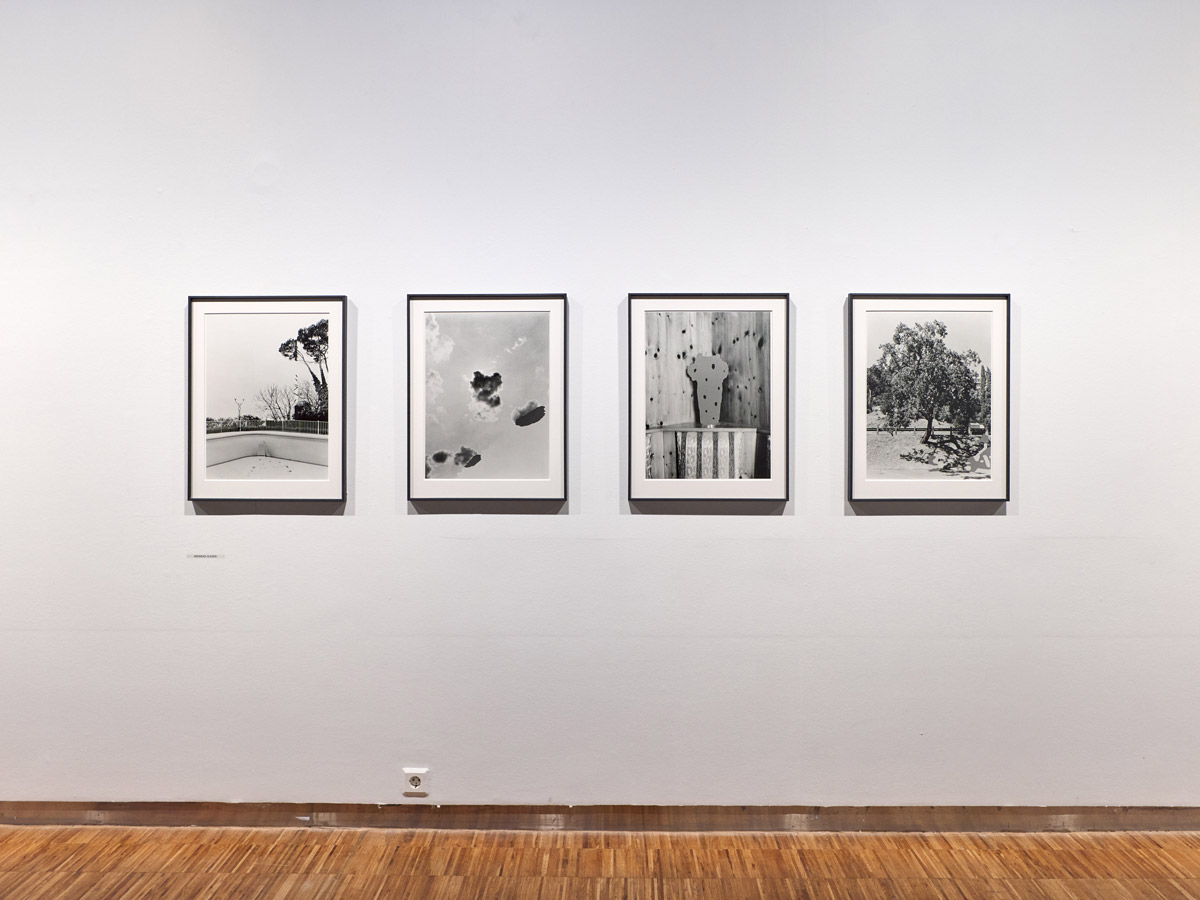
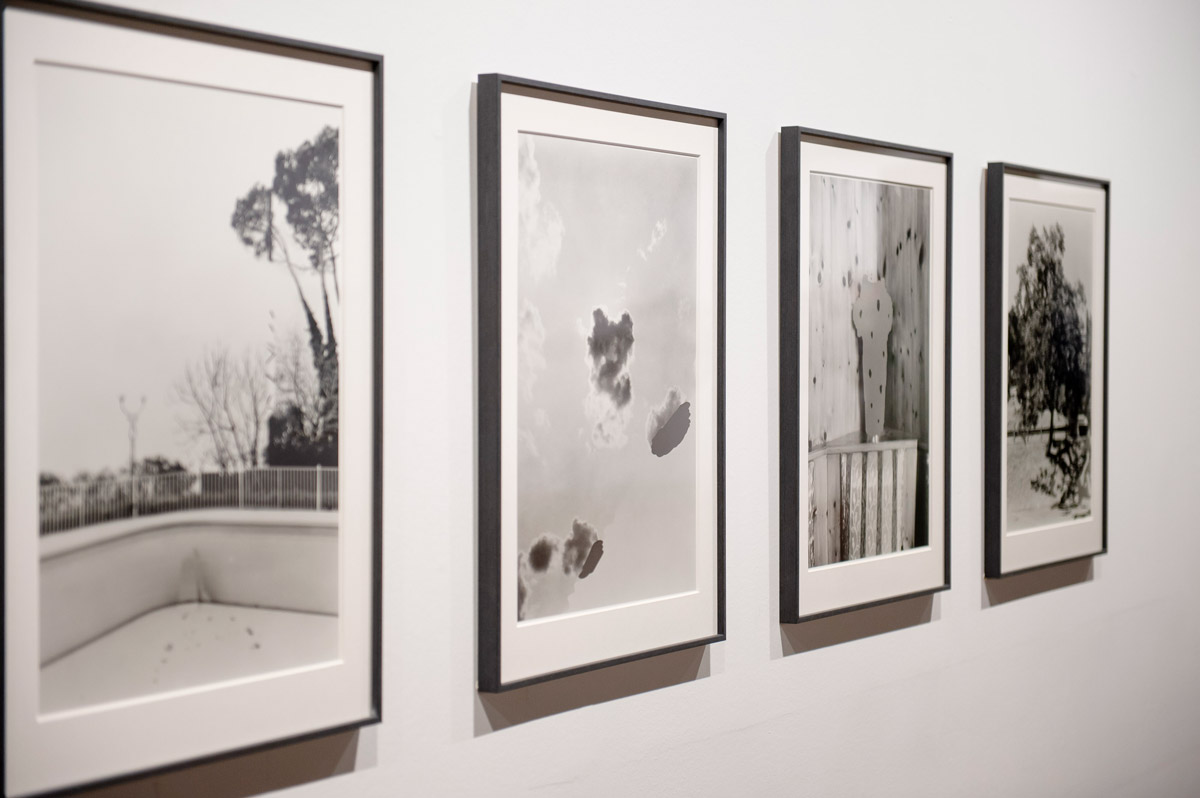
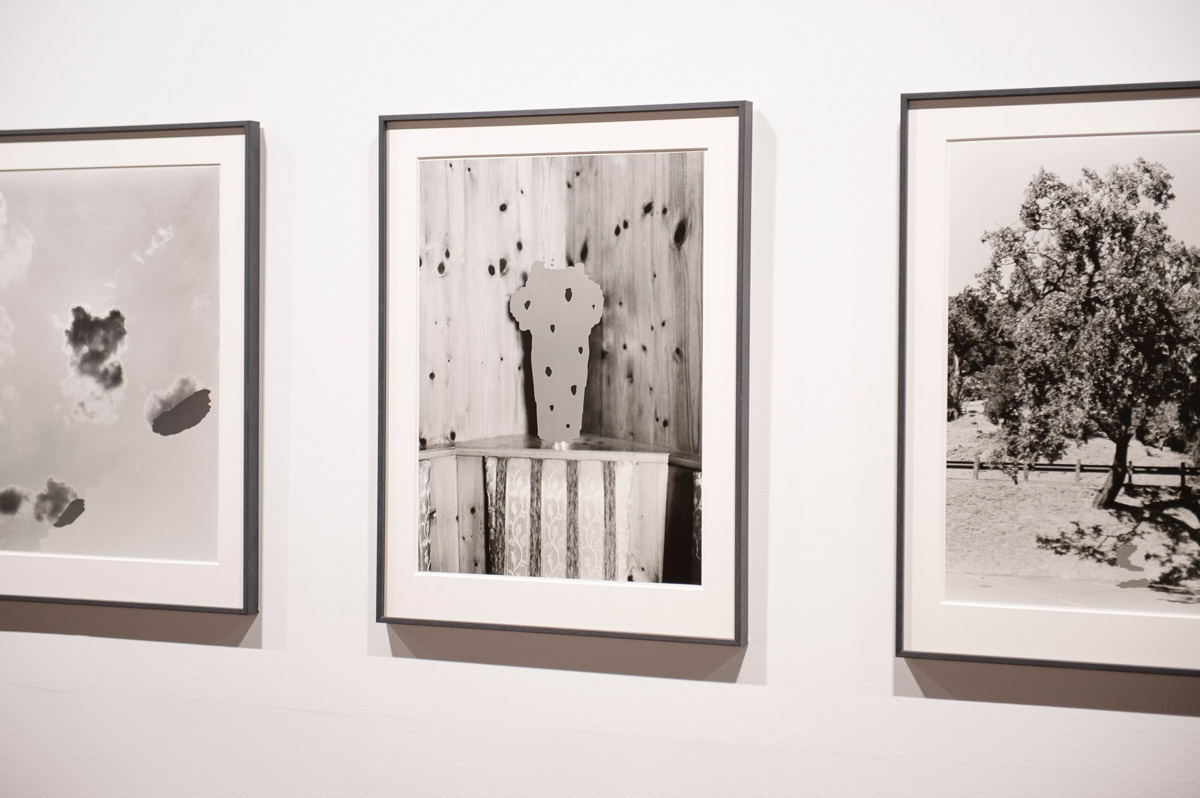
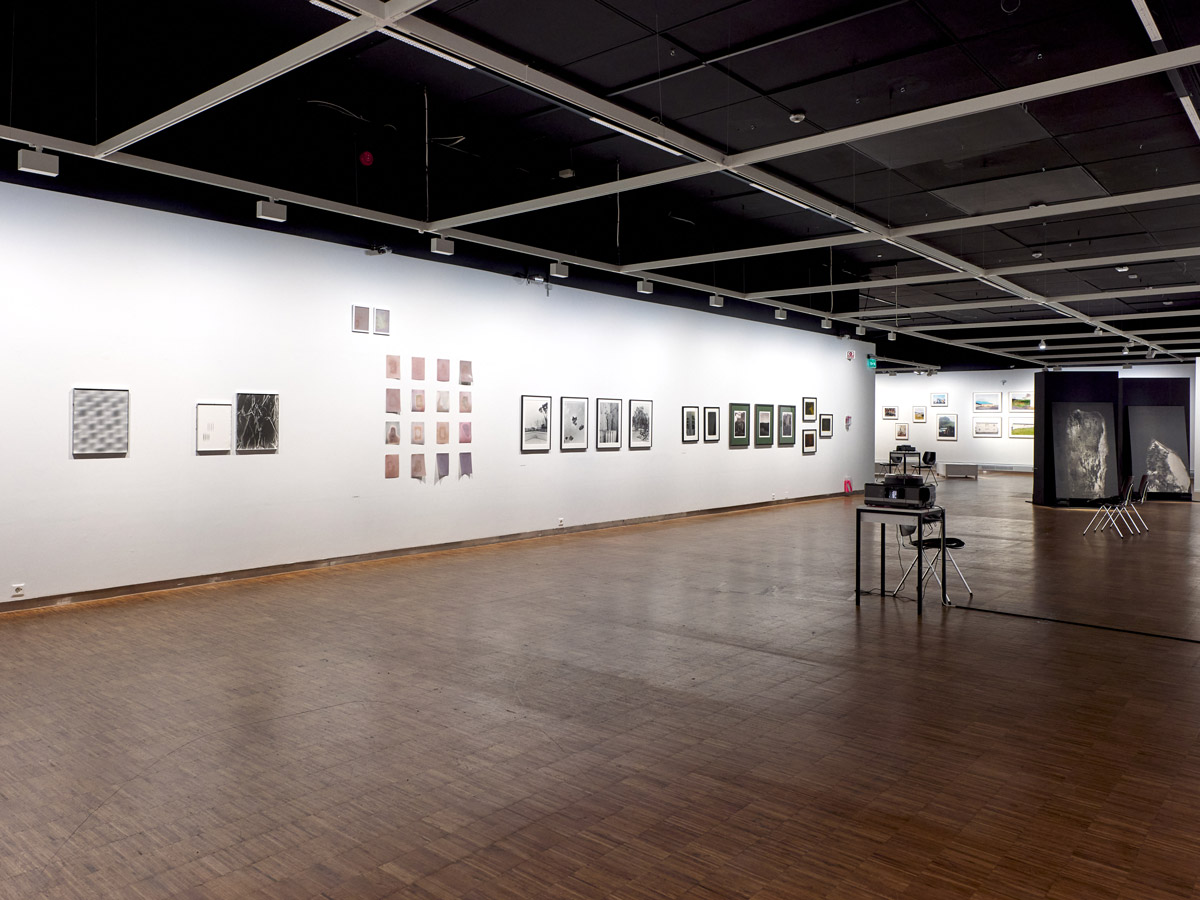
Resident Landscape was an excellent group show put together by the tireless champions at Nordic Analog Network, and especially Stig Marlon Weston. There was a lot of supportive energy and can-do attitude around this show, and personally it felt like a success. I showed four silver gelatin prints, which were the first iterations of a work in progress with the working title Chimera.
Exhibition Text
“Resident Landscape” looks at how the current trend in photography of looking at the landscape from a personal standpoint is also reflected in Nordic analog photography. The artists´focus is on the personal experience and connection to the landscape around us, expressed through a poetic vision and handmade analog interventions. The images shared in this exhibition are filtered through individual impressions and rather than claiming to be neutral documentation of a place they depict an insistent will to move from being an observer to an active participant in both the external and internal landscapes that define our connection to the world.
The artists engage deeply with nature and environmental awareness. Many of the works investigate the relationship between humans and the natural world, examining soil, water, plants, animals, climate change, and human impact on the environment. A multispecies perspective is present throughout, highlighting non-human agencies. Nature is not merely a subject but an active participant or collaborator in the artistic process, including in the material elements of photography and darkroom practices such as light and silver. The exhibition shows the material and processual nature of photography. The works emphasize slowness, chance, and the tactile qualities of analog methods such as silver mirror effects, camera obscura, lumen prints, and plant-based developers. Here, photography is not just a means of representation but a lived, sensory process through which the world is experienced and interpreted. The landscape is presented not as a fleeting image but a constantly active, living space: the “memory” of the landscape. It serves both as an object of study and as artistic material. The artists’ processes resemble fieldwork and observation, combining visual and textual documentation with personal experiences and reflections, creating a layered exploration of place and its meanings.